Hair transplantation

A hair transplant restores hair density by relocating your own hair follicles to areas where it has thinned or disappeared completely.
Back to the hairline you remember from before, or a hairline that simply suits you better. What works for you is something we determine together.
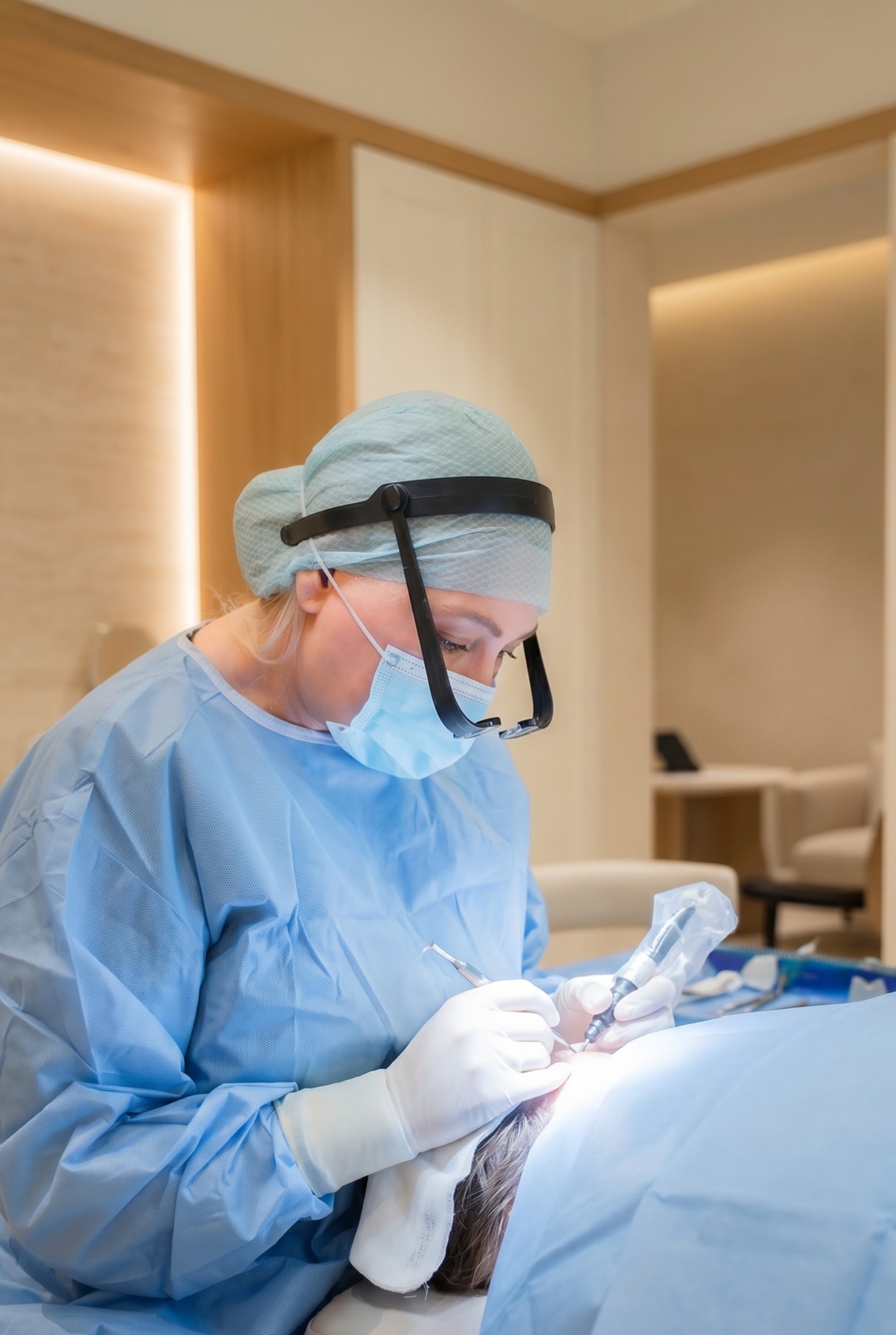
We use the FUE technique: individual placement of hair follicles with surgical precision and an aesthetic eye, for results that look natural and are long-lasting.

Hair that gradually falls out due to hereditary factors, hormones, or stress, creating visible thinning areas.

A hairline that gradually moves higher due to genetic factors or tight hairstyles, changing your overall appearance.

Receding zones at the hairline where hair growth stops due to heredity or hormonal sensitivity.

An increasingly visible round area at the crown where hair thins or disappears.

Hair that slowly loses density, often due to genetic sensitivity, hormonal changes, or aging.

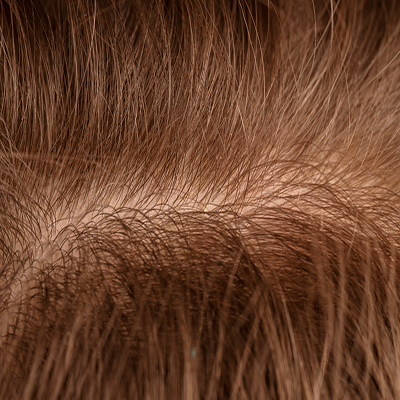
A parting that becomes broader due to decreasing hair density, making the scalp more visible.
Male hair loss usually follows a pattern: a receding hairline, thinning crown, or both. We use the Norwood scale to assess the degree of hair loss.
Most common:
Our approach:
A hairline that suits your age. A crown with natural movement. Density where it’s needed.
Female hair loss presents itself differently: usually overall thinning on the top of the head, less often a completely bald area.
Most common:
Our approach:
Subtly add density. Refine the hairline. With respect for the natural line and feminine softness.
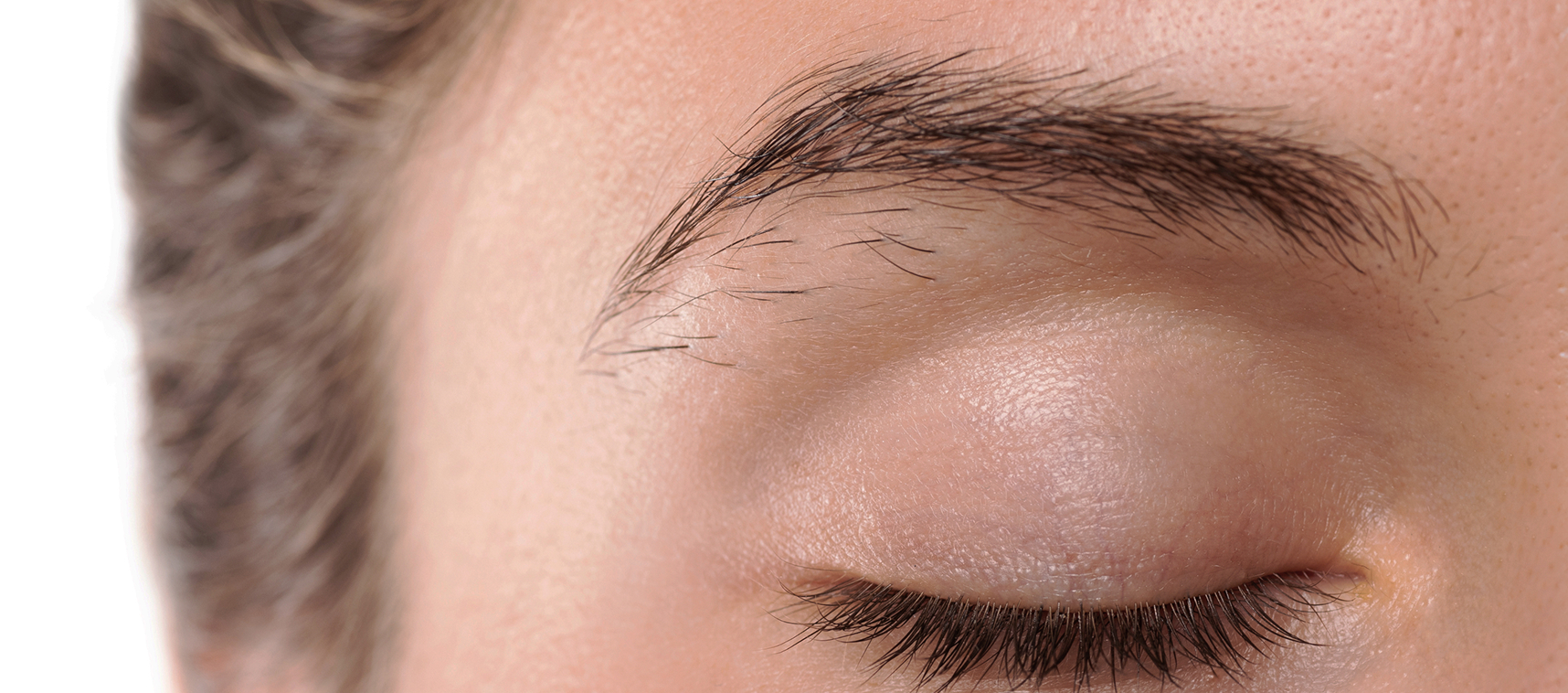
We understand that every transition is unique. That’s why we don’t work with one-size-fits-all solutions, but offer personalized treatments, from hairline and beard transplants to eyebrow shaping.
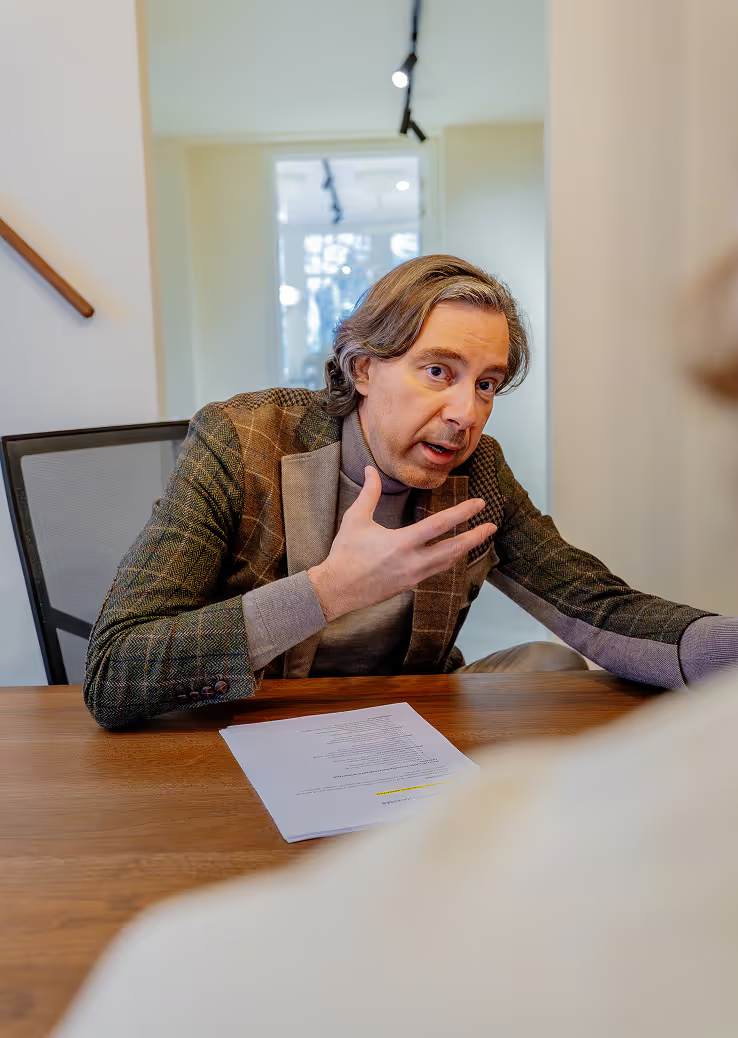
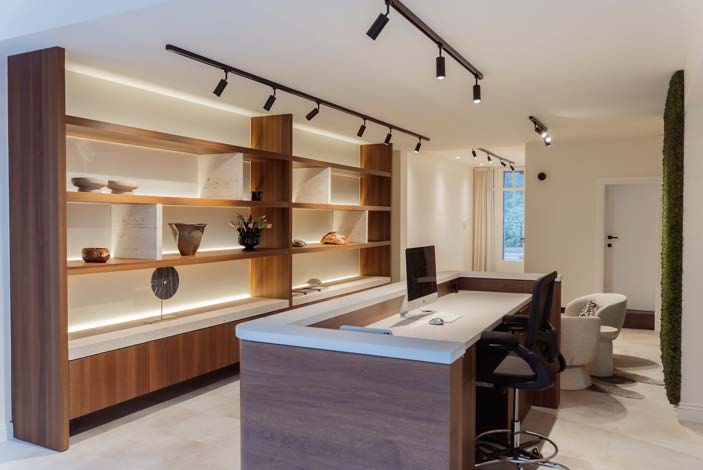
We take the time to listen, understand, and guide you. In a calm and safe environment, we explore what suits you best. With care, precision, and attention, we create results that feel natural and harmonize with who you are.
Results in the spotlight:
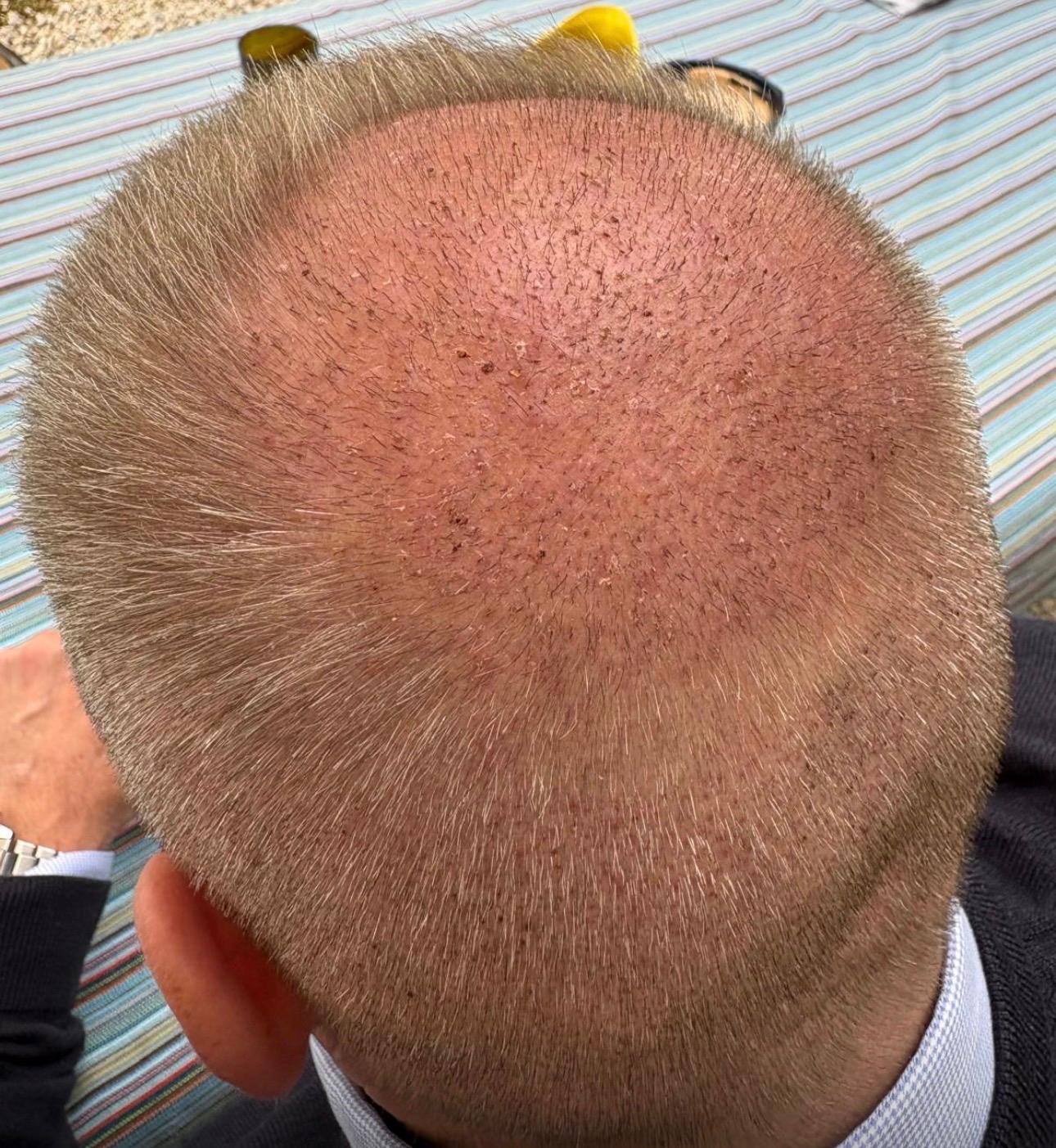
We use PRP (Platelet Rich plasma): the gold standard for natural results.
What happens?
Hair follicles are removed one by one from the donor area, usually the back of the head where hair continues to grow permanently. These grafts are then placed in the areas that need restoration.
Why PRP?


We also work with FUEplus, a variant of the traditional FUE technique. The best of FUE (Follicular Unit Extraction) and PRP (Platelet Rich Plasma) combined for maximum results.
What happens?
Grafts are taken from the donor area and plasma is extracted from your own blood, which is then used to nourish and strengthen both the transplanted and existing hair.
Why FUEplus?
Male hair loss usually follows a pattern: a receding hairline, thinning crown, or both. We use the Norwood scale to assess the degree of hair loss.
Most common:
Our approach:
A hairline that suits your age. A crown with natural movement. Density where it’s needed.
Female hair loss presents itself differently: usually overall thinning on the top of the head, less often a completely bald area.
Most common:
Our approach:
Subtly add density. Refine the hairline. With respect for the natural line and feminine softness.
Sometimes a previous result simply doesn’t feel right. A hairline that is too straight, misplaced grafts, pluggy zones, or hairs growing in all directions can be frustrating every day. With a careful repair treatment, we soften these unnatural elements and restore your hairline to something subtle, gentle, and recognizable.
We use the FUE technique for precise correction: refined extraction, removal where needed, and new placement among existing grafts. This restores direction, harmony, and balance, creating a hairline that naturally fits your face again.
What can we correct?
Together, we determine what works for you and restore the hairline you originally wanted.
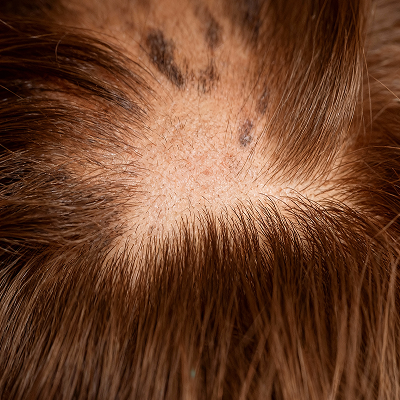
The transplanted hairs grow permanently. They have the same characteristics as the hair from the donor area: they continue to grow, can be cut, and age naturally.
What determines the result?
The transplanted hairs grow permanently. They have the same characteristics as the hair from the donor area: they continue to grow, can be cut, and age naturally.
What determines the result?
During a free intake, we assess:
The cost of a hair transplant depends on the number of follicles needed, the size of the area to be treated, and whether it involves the hairline, crown, or both.
Please note: borrowing money costs money.
At Hairmás, we believe a treatment should never feel forced, including financially. That’s why we offer the option to pay in clear installments, so you don’t have to wait.
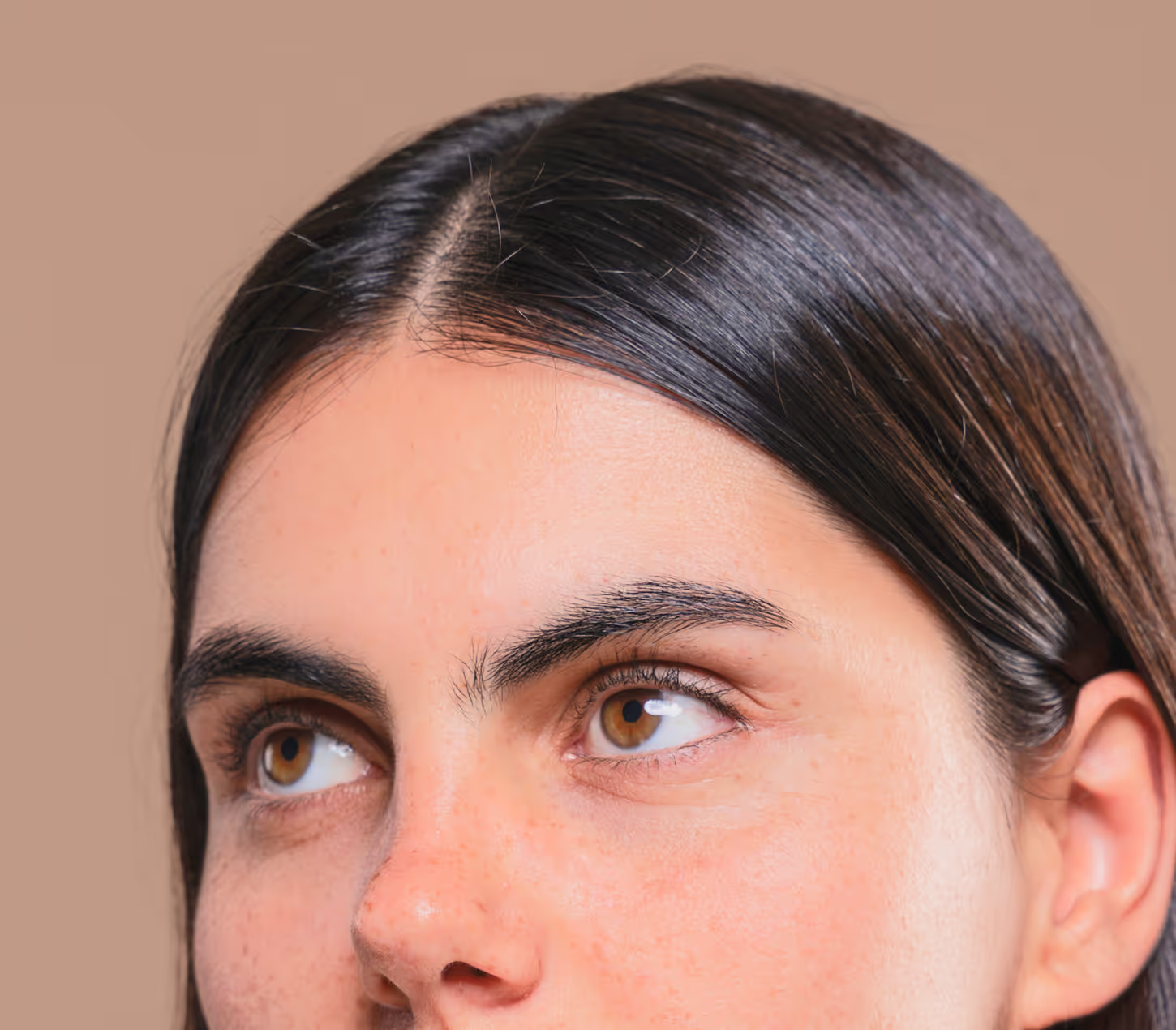
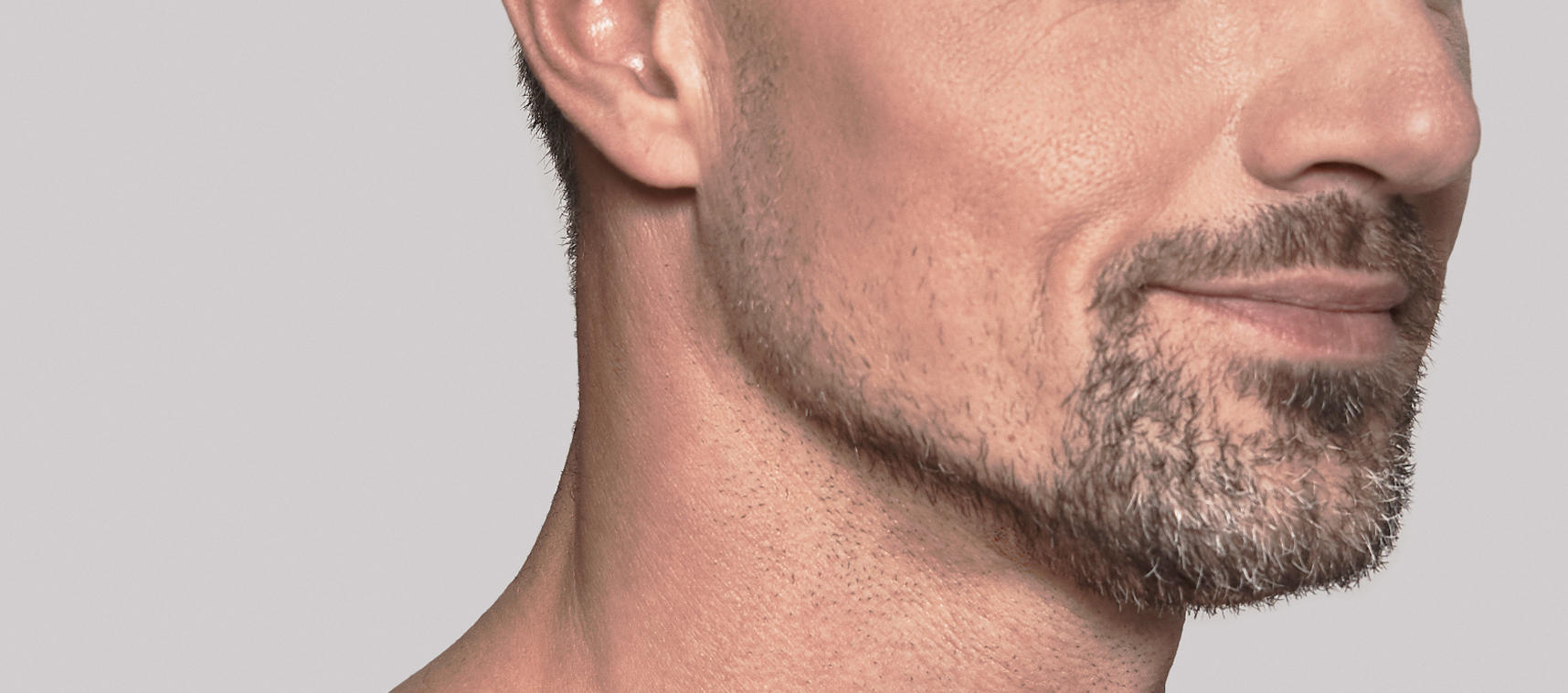
A beard can be an important part of your transition. We guide the treatment with attention to what suits you: the shape, the density, the style.
We tailor it entirely to who you are.
The costs of a hair transplant depend on the size and complexity of the treatment area. A hairline requires a different approach than a combination of hairline and crown.
As an indication, we use the following prices: a small to limited treatment area from €4,800 (FUE) or €5,095 (FUE+), an average treatment area from €5,000 (FUE) or €5,295 (FUE+), and a large or complex treatment area from €5,900 (FUE) or €6,195 (FUE+). For very extensive treatments, we recommend a process in several sessions; the price will then be tailored after a free consultation.
On our rates page you will find an indicative treatment estimate that gives you an idea of the possible treatment size and associated investment per zone. During the free intake interview, we will examine your donor area and discuss your wishes. In consultation with the doctor, you will then receive a personal treatment plan with the final price.
The price includes everything: the intake interview, the full treatment, your aftercare package and the recovery folder. On the other hand, also all aftercare checks on day 1, we ask for photos after 14 days and after 6 months. After 12 months, another physical check will follow. We are always available for questions during your recovery.
This depends on various factors that we carefully assess during a free intake and consultation with the doctor.
We'll examine your donor area to see if there is enough healthy hair available on the back and sides of your head. The quality and density of this area determine how many grafts we can move and what is realistically possible.
We also look at the cause of your hair loss. Hereditary predisposition (androgenetic alopecia) is the most appropriate indication for hair transplantation. Hair loss due to stress, medication or autoimmune disorders often requires a different approach.
During the free intake interview, we will also discuss your expectations. Are they realistic? We can restore density and reconstruct your hairline, but we can't create an entirely new head of hair out of limited donor options. Honesty about what is possible is our top priority.
Finally, we look at your overall health. Certain conditions such as uncontrolled diabetes or blood clotting problems can make treatment difficult.
Not sure if you're eligible? Then start with our free HairScan. Upload a few photos, answer a few questions about your situation, and you'll receive an initial analysis and, if applicable, a price offer within 3 business days.
If you would like to discuss this advice/proposal with us afterwards, you are of course more than welcome to book a free intake interview.
At Hairmás, we consciously work with a limited number of treatments per day, which means that you get our full attention during the treatment.
The average waiting time is 2-3 weeks. In emergencies, we always look for earlier options.
During the free intake interview, we will discuss the planning extensively with you. You will immediately receive a proposal for a treatment date, so that you have a clear idea of your journey to recovery.
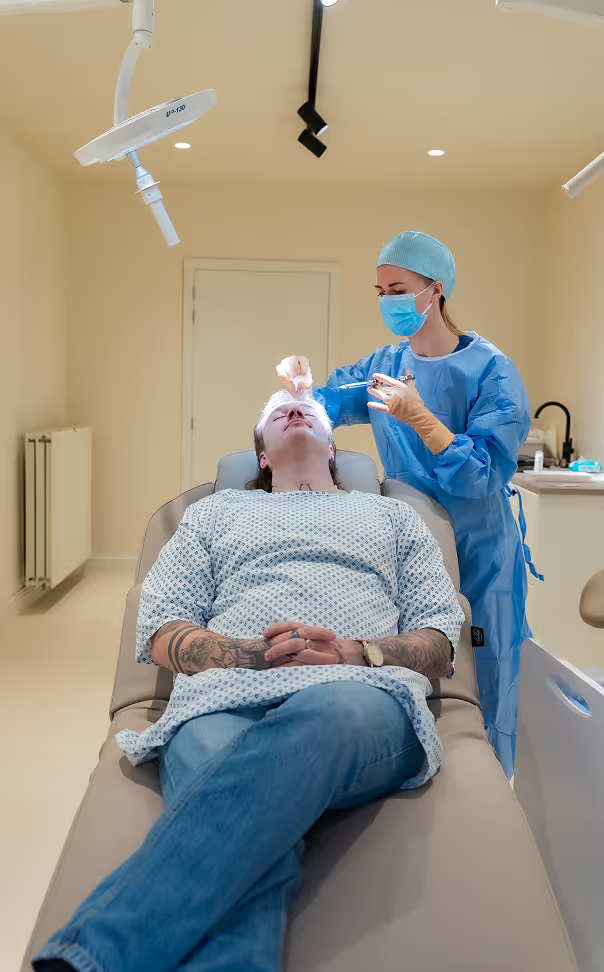
No, a hair transplant is not painful. The treatment is done under local anaesthesia, which means you are conscious but feel no pain.
During the treatment, we first apply local anaesthesia to both the donor area and the recipient area. This feels like small injections, similar to a visit to the dentist. After about 5 to 10 minutes, the area is completely anesthetized.
During the treatment, you will feel some pressure and pulling, but no pain. The treatment lasts 6 to 8 hours. You can take breaks during the treatment, eat something, drink something, go to the toilet...
Immediately after treatment, there may be slight discomfort in the form of pressure or tension on the scalp. We'll give you some painkillers to take home. Most people describe it as “bearable discomfort” rather than actual pain.
In the first days after treatment, caution is important. Scabs are normal and disappear on their own with the necessary care.
Hair growth after a transplant requires patience. It is a natural process that takes its time, but the result is permanent.
In the first two to six weeks after treatment, so-called “shock loss” occurs. This means that the transplanted hair falls out. This is completely normal. The hair follicles remain under the skin and enter a resting phase.
From the third to fourth month, the new hairs begin to grow. At first, they are thin and soft. Not all follicles start growing at the same time, so it's normal for growth to appear erratic.
Between the sixth and eighth months, progress is clearly visible. The density increases and the hairs become thicker and stronger.
You will reach the end result after 12 to 18 months. Then full density is reached and the hairs grow permanently. They can simply be cut, blow-dried and dyed.
At Hairmás, we work with local anaesthesia. This means that you are conscious during the treatment but do not feel pain in the treated areas.
We start with a preparation where we explain what will happen. Afterwards, we apply local anaesthesia by means of small injections into the donor area and recipient area. This feels like little pricks. After about 5 to 10 minutes, the area is completely anesthetized.
During the treatment itself, you will feel pressure and movement, but no pain. You can talk, listen to music, and take breaks. When the anaesthetic starts to work out, we refill it immediately.
We do not work with general anaesthesia. Local anaesthesia is safer, less burdensome, and you are immediately alert after treatment.
A first intake gives you the opportunity to discuss your situation. We assess whether a treatment is suitable and which approach fits you best.
Free of charge without obligation.
Begin met een gratis analyse. Niet elke behandeling is geschikt voor iedereen. En niet elke haarlijn vraagt dezelfde aanpak. Upload enkele foto's. Beantwoord enkele vragen over je situatie. Ontvang persoonlijk advies over de behandeling die bij jou past.